
Hot Shrines
A curated list of shrines drawing attention right now.

菅原神社
Located in a residential area of Hirano Ward, Osaka, this shrine is affectionately known by locals as "Hojo Tenjin" (Direction-Protecting Tenjin). It enshrines Sugawara no Michizane, the deity of scholarship, and has long been revered for providing protection against directional misfortune and warding off evil (Kimonyoke). The shrine grounds also house a monument to the Mikuratsukuri irrigation sluice gate, which once supported local agriculture.
Naminouegu Shrine
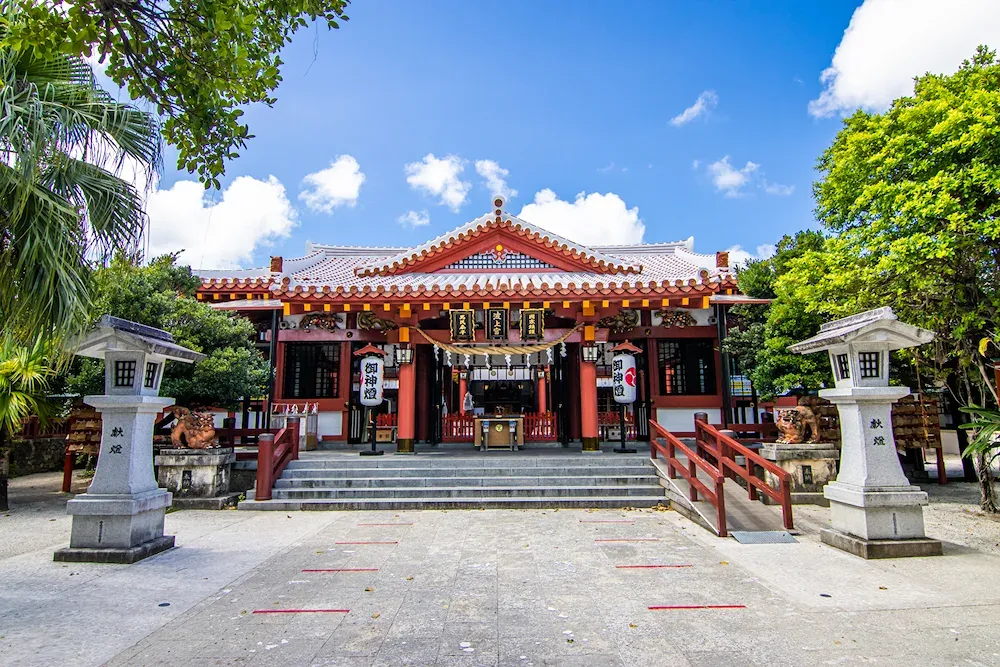
Naminoue Shrine is a shrine located in Naha City, Okinawa Prefecture. Under the modern shrine ranking system, it is ranked as a Kanpei Shosha (minor shrine) and is currently designated as a beppyo shrine by the Association of Shinto Shrines. Located on a hill overlooking Naha Port, it has been affectionately known as "Nanmin-san" or "Nanmin." It is one of the eight Ryukyu shrines, and has been recognized as the new Ichinomiya of the Ryukyu Kingdom by the National Ichinomiya Association.
Kusukusu Shrine
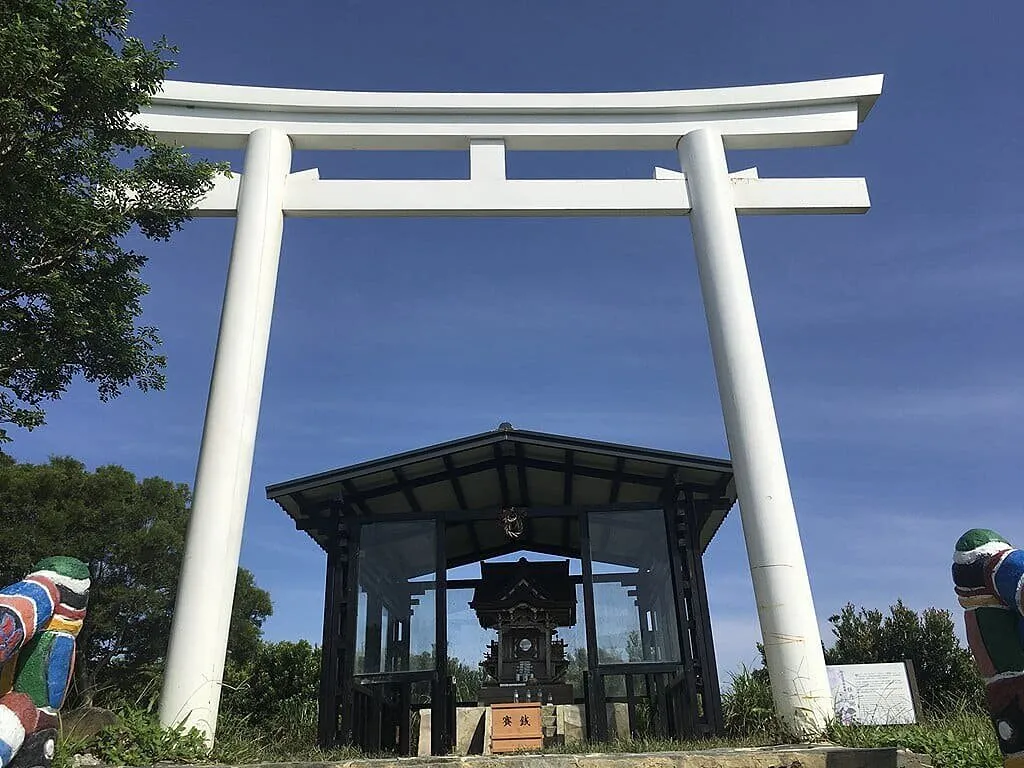
Koushi Shrine is located in Mudan Township, Pingtung County, Taiwan. It was abandoned after World War II but was rebuilt in 2015 through local efforts and support from Japanese priests. The shrine combines Puyuma tribal traditions with Shinto rituals, worshipping war dead and ancestors.
Mie Prefecture Gokoku Shrine
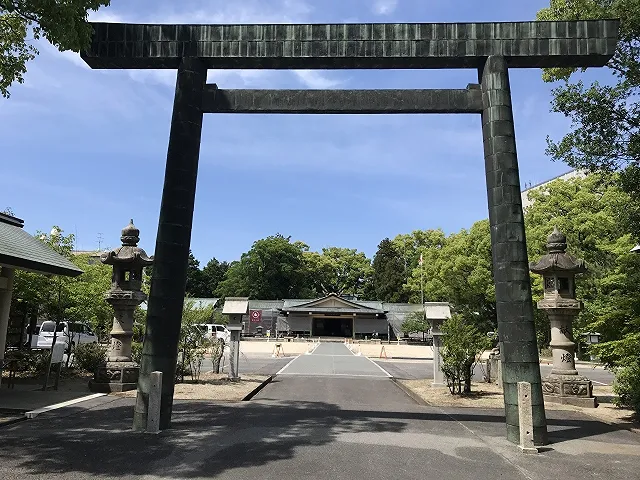
Mie Prefecture's Gokoku Shrine, located in Tsu City, was founded in 1869 (Meiji 2) and has a long history of enshrining war dead. It originally enshrined over 63,000 war martyrs until World War II, serving as a memorial for fallen soldiers. After the war, it was temporarily renamed "Mie Shrine" but reverted to its original name in 1953 and continues to serve as a memorial site.
Tsukiyomi Shrine
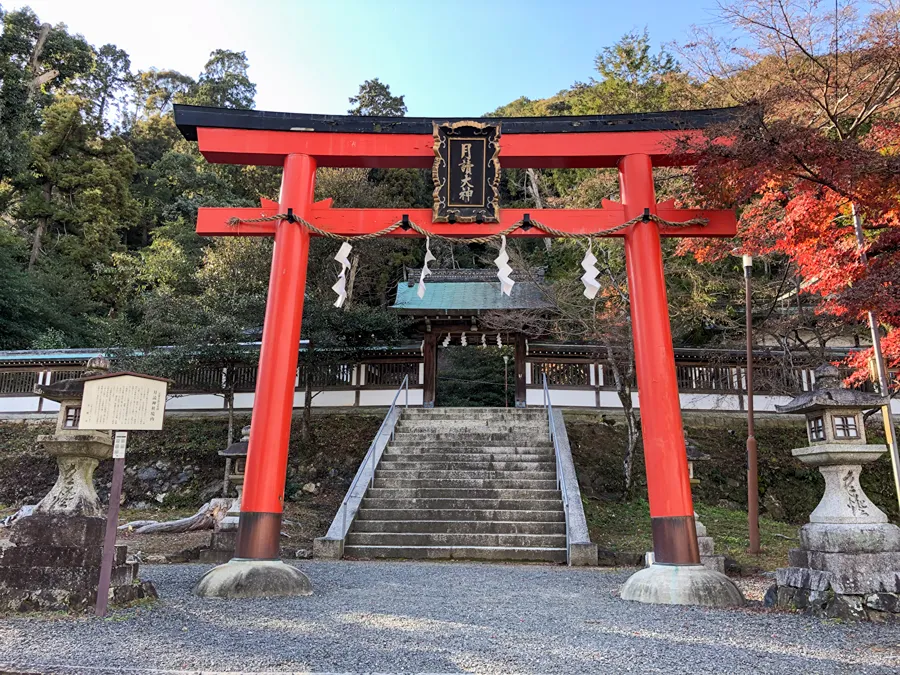
Tsukiyomi Shrine is located in Nishikyo-ku, Kyoto, dedicated to Tsukuyomi-no-Mikoto. It is known for blessings related to safe childbirth and matchmaking. It plays a leading role in the spring Matsuo Festival.